
What is a Liver Function Test (LFT) and Why is it Important?
Understanding the Liver Function Test (LFT)
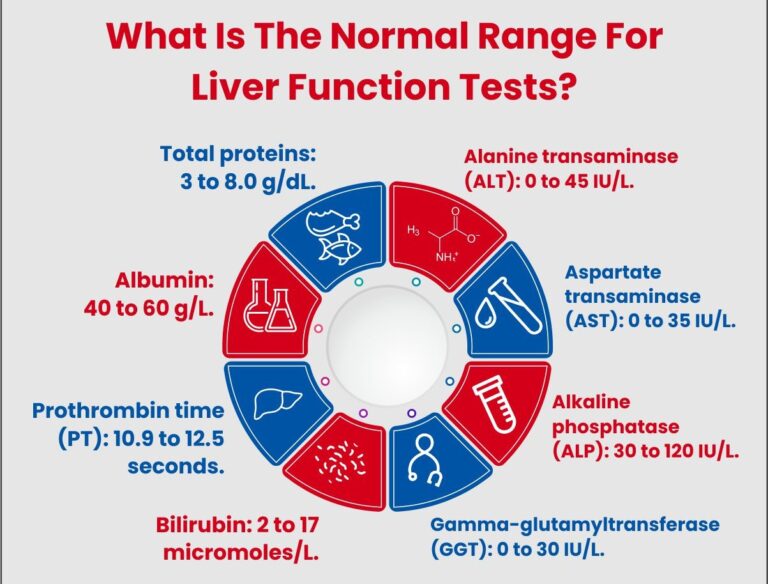
- Alanine Transaminase (ALT) – Detects liver injury or damage.
- Aspartate Transaminase (AST) – Helps identify liver and muscle health.
- Alkaline Phosphatase (ALP) – Indicates bile duct issues or bone disorders.
- Bilirubin – High levels may suggest jaundice, liver disease, or bile duct obstruction.
- Albumin and Total Protein – Show how well the liver is producing proteins.
- Gamma-Glutamyl Transferase (GGT) – Useful for detecting alcohol-related liver damage.
Why is the Liver Function Test Important?
1. Early Detection of Liver Diseases
Liver diseases often progress silently, showing symptoms only when the damage is severe. A Liver Function Test can detect issues like hepatitis, fatty liver disease, cirrhosis, or liver cancer at an early stage. Early diagnosis means timely treatment, which prevents complications.
2. Monitoring Existing Conditions
Patients with chronic liver conditions require regular monitoring to assess the progression of their disease. LFTs are essential in evaluating how well treatments are working and whether lifestyle changes are improving liver health.
Evaluating Medication Side Effects
Certain medications, such as antibiotics, painkillers, and cholesterol-lowering drugs, can stress the liver. Regular LFTs help doctors monitor the liver’s response and adjust treatment if needed.
Checking Alcohol and Toxin Effects
Pre-Surgical Assessment
Who Should Get a Liver Function Test?
You may be advised to undergo an LFT if you:
- Experience symptoms like fatigue, yellowing of the skin or eyes, abdominal pain, or swelling.
- Have a history of heavy alcohol consumption.
- Suffer from conditions such as diabetes, obesity, or high cholesterol, which can increase the risk of fatty liver disease.
- Are on long-term medications that may affect liver health.
- Have a family history of liver disease.
How is the Test Done?
Maintaining a Healthy Liver
- Eating a balanced diet rich in fruits, vegetables, and whole grains.
- Avoiding excessive alcohol consumption.
- Exercising regularly to prevent obesity and fatty liver.
- Getting vaccinated for hepatitis A and B.
- Avoiding unnecessary medications and consulting your doctor before long-term drug use.
Conclusion
FAQs:
What does a Liver Function Test (LFT) detect?
A Liver Function Test detects liver diseases such as hepatitis, fatty liver, cirrhosis, liver infections, and also monitors liver damage caused by alcohol, toxins, or medications.
How often should I get a Liver Function Test done?
If you are healthy, your doctor may recommend an LFT as part of an annual check-up. However, if you have liver-related symptoms, a family history, or take long-term medications, you may need it more frequently.
Do I need to fast before a Liver Function Test?
In most cases, fasting is not required. However, your doctor may advise fasting if the LFT is being done along with other blood tests that require it. Always follow your doctor’s instructions.