
Mail Us : sdalab9548@gmail.com
Call Us : 97114 66123 | 99990 78071
HealthFlex
×
  • Home
  • About Us
    • SDA Diagnostics
    • Dr. Sonal Dhingra Anand
  • Services
  • Gallery
  • Blogs
  • Contact

Why Fever Testing Is Important During Monsoon Season
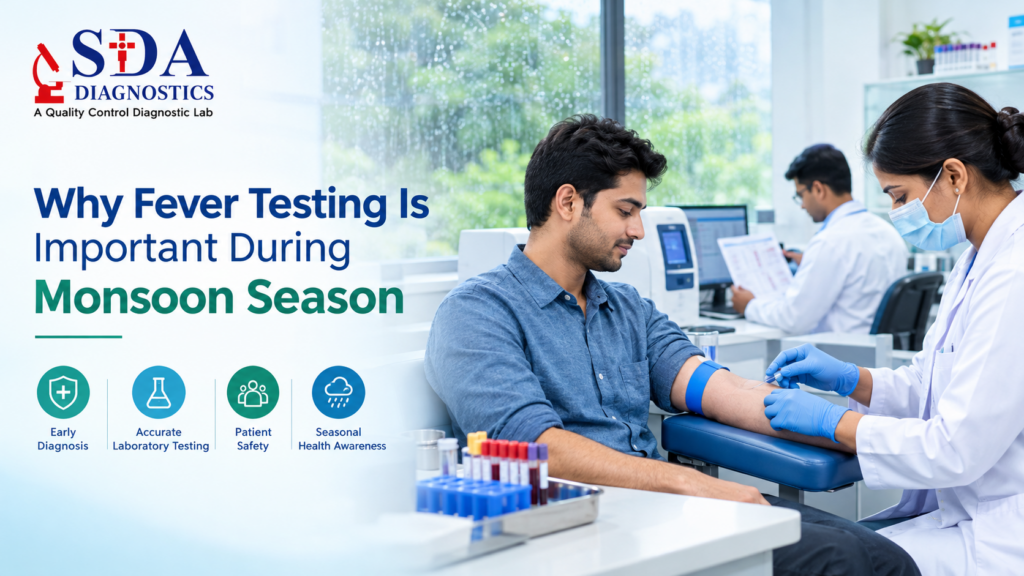
Why Fever Testing Is Important During Monsoon Season

Why Fever Testing Is Important During Monsoon Season

The Why Fever Testing Is Important During Monsoon Season topic is especially relevant because the rainy season can bring an increase in infections spread by mosquitoes, contaminated food, and unsafe water. During monsoon, people may experience fever, headache, body pain, weakness, chills, or digestive problems. These symptoms can occur due to different illnesses, and it is not always possible to identify the cause through symptoms alone.  More info:

Timely fever testing helps doctors understand the possible cause of an illness and decide on the appropriate treatment. Tests may be recommended according to the symptoms, duration of fever, medical history, and local infection patterns. Early medical assessment can also help identify warning signs and reduce the risk of complications.

Why Fever Testing Is Important During Monsoon Season

During the monsoon, stagnant water can create breeding sites for mosquitoes, while contaminated water and food can spread certain infections. Dengue, malaria, chikungunya, typhoid, and other infections may cause fever during this period.

However, not every fever is caused by these diseases. Viral infections and other medical conditions can also produce similar symptoms. This is why doctors may recommend specific blood tests or other investigations instead of relying only on symptoms.

Fever testing can help identify the likely cause, guide treatment decisions, and determine whether further investigations or monitoring are needed. The right test depends on the suspected infection and the stage of the illness.

Common Causes of Fever During the Rainy Season

1. Dengue Fever

Dengue is a mosquito-borne viral infection that can cause high fever, severe headache, pain behind the eyes, muscle pain, joint pain, nausea, and rash.

Some patients may develop serious complications, including bleeding or shock. Warning signs such as severe abdominal pain, persistent vomiting, bleeding, unusual drowsiness, or difficulty breathing require urgent medical attention.

Doctors may recommend dengue tests based on the day of illness. NS1 antigen testing and molecular tests may be useful during the early phase, while IgM antibody testing becomes more useful later. The choice and interpretation of tests depend on the timing of symptoms and clinical assessment.

2. Malaria

Malaria is caused by parasites transmitted through infected mosquitoes. Symptoms may include fever, chills, sweating, headache, body pain, and weakness.

Early diagnosis is important because malaria can become severe if treatment is delayed. Doctors may recommend a malaria rapid diagnostic test or microscopic examination of a blood sample.

If the first test is negative but suspicion remains high, further testing may be required. A person with suspected malaria should seek prompt medical evaluation rather than wait for symptoms to disappear.

3. Typhoid Fever

Typhoid is a bacterial infection that can spread through contaminated food and water. It may cause prolonged fever, weakness, headache, abdominal discomfort, and changes in bowel habits.

A blood culture is generally an important test for diagnosing typhoid, particularly when performed before antibiotics are started. Other tests may sometimes be used, but certain antibody-based tests can produce misleading results and should be interpreted carefully.

Self-medication with antibiotics is not advisable. The correct diagnosis helps doctors choose suitable treatment and reduce the risk of complications.

4. Chikungunya

Chikungunya is another mosquito-borne viral infection. It commonly causes fever and significant joint pain, which may continue for weeks or even months in some people.

Depending on the duration of illness, doctors may recommend molecular testing or antibody testing. These tests help assess whether chikungunya may be responsible for the symptoms.

Because chikungunya and dengue can cause similar symptoms, medical assessment is important before taking medicines for fever or pain.

Which Tests May Be Recommended for Monsoon Fever?

The tests required depend on the patient’s symptoms and the doctor’s clinical assessment. A doctor may recommend one or more of the following investigations.

Complete Blood Count (CBC)

A CBC measures different blood components, including red blood cells, white blood cells, haemoglobin, and platelets. It can help doctors assess changes associated with infections and monitor certain complications.

However, a CBC alone cannot confirm dengue, malaria, typhoid, or every other cause of fever.

ESR and Other Blood Investigations

The erythrocyte sedimentation rate (ESR) is a general marker of inflammation. Liver enzyme tests, such as SGOT and SGPT, may be recommended when a doctor needs to assess possible liver involvement or other complications.

These tests provide supporting information but do not independently identify the cause of every fever.

Dengue Testing

Dengue testing may include NS1 antigen, molecular testing, or IgM antibody testing. The most appropriate test depends on how long the patient has had symptoms.

A negative result from a test performed too early or at an unsuitable stage may not always rule out dengue. Doctors interpret results alongside symptoms and other findings.

Malaria Testing

A rapid diagnostic test or blood smear may be used to detect malaria. Prompt testing is particularly important when fever is accompanied by chills, sweating, or other symptoms that raise suspicion of malaria.

Typhoid and Chikungunya Testing

Blood culture may be recommended when typhoid is suspected. Chikungunya testing may involve molecular or antibody-based methods, depending on the stage of infection.

Not every patient needs every test. The doctor should select investigations based on the clinical picture instead of ordering a fixed panel for everyone.

When Should You Get a Fever Test?

You should contact a healthcare professional if you develop a persistent or unexplained fever, especially during the monsoon. Medical advice is also important if fever is accompanied by severe headache, body pain, repeated vomiting, abdominal discomfort, unusual weakness, or reduced urine output.

Seek urgent medical attention for difficulty breathing, confusion, fainting, severe abdominal pain, bleeding, inability to drink fluids, or signs of significant dehydration. Do not delay care while waiting for a laboratory report.

Infants, older adults, pregnant women, and people with chronic medical conditions may require earlier assessment because infections can affect them differently.

Benefits of Early Fever Diagnosis

Helps Guide Appropriate Treatment

Different infections require different treatment approaches. Testing can help doctors decide whether supportive care, specific medicines, further investigations, or hospital monitoring may be needed.

Antibiotics do not treat viral infections, and unnecessary antibiotic use can cause side effects and contribute to antimicrobial resistance.

Helps Identify Potential Complications

Some infections can affect platelet counts, liver function, hydration, or other aspects of health. Clinical assessment and suitable investigations help doctors monitor these changes when necessary.

A laboratory report should always be interpreted alongside the patient’s symptoms and examination.

Reduces Unnecessary Self-Medication

Taking medicines without understanding the cause of fever may delay diagnosis or create additional risks. For example, certain painkillers, including aspirin and ibuprofen, may be unsuitable when dengue is suspected because of bleeding risk.

Consult a doctor before taking medication, particularly if the fever is severe or the cause is unknown.

How to Prevent Monsoon-Related Infections

Along with timely testing, simple preventive measures can reduce exposure to several seasonal infections.

  • Prevent mosquito breeding by removing stagnant water from coolers, pots, tyres, and other containers.

  • Use mosquito repellents and wear suitable clothing to reduce mosquito bites.

  • Drink safe water and eat freshly prepared food.

  • Wash your hands before eating and after using the toilet.

  • Keep food covered and maintain cleanliness around the home.

  • Avoid self-medication and follow medical advice if symptoms develop.

These precautions can lower certain infection risks, but they cannot prevent every illness.

Conclusion

Understanding Why Fever Testing Is Important During Monsoon Season can help people recognise the importance of timely medical evaluation. Dengue, malaria, typhoid, chikungunya, and other infections may cause similar symptoms, so the right investigations can help doctors make informed treatment decisions.

If you or a family member develops a persistent or unexplained fever, consult a healthcare professional. The doctor can recommend suitable tests according to the symptoms and duration of illness. Early assessment, appropriate treatment, and preventive hygiene practices can help protect your health during the rainy season.

Add Comment Cancel


Recent Posts

  • Why You Should Never Ignore a High Fever During the Monsoon
  • Which Blood Tests Are Needed to Diagnose Anemia?
  • Fever During the Rainy Season: When Should You Get Tested?
  • Persistent Fever That Won’t Quit? When to Seek Medical Help
  • Why Fever Testing Is Important During Monsoon Season

Recent Comments

  1. Blood Cancer Diet - SDA Lab Diagnostics on Iron Profile Test: Causes of Iron Deficiency

Patient & Visitor Guide

Plan your visit to our Clinic

More

Ever wondered what a Health Coach does?

Visit our Health Coach Demo!

Categories

  • Allergies
  • Anemia
  • Blood Cancer
  • Blood Test
  • Cancer
  • Diabetes
  • Fever
  • healthy heart
  • Heatlh Checkup
  • kidney
  • Liver
  • Medical Articles
  • News
  • Uncategorized
  • Vitamin Deficiency

Archives

  • October 2026
  • September 2026
  • July 2026
  • June 2026
  • April 2026
  • December 2025
  • August 2025
  • February 2025
  • January 2025
  • December 2024
  • November 2024
  • October 2024
  • September 2024
  • August 2024
  • July 2024
  • June 2024
  • May 2024
  • April 2024
  • November 2015

Text Widget

Fugiat dapibus, tellus ac cursus commodo, mauesris condime ntum nibh, ut fermentum mas justo sitters amet risus. Cras mattis cosi sectetut amet fermens etrsaters tum aecenas faucib sadips amets.

Tag Cloud

allergy symptoms anemia Blood presure Blood Test blood tests cardiovascular health Cholesterol cholesterol levels climate change diagnostic center Meerut Diet early detection Exercise Fitness food allergies Health health awareness healthcare tips Health Checkup health tips healthy habits healthy lifestyle Healthy Living heart heart disease risk heart health hemoglobin levels high cholesterol immune system Iron Deficiency kidney health Lifestyle Changes mental health nutrition Pathology Lab Meerut preventive care preventive healthcare public health red blood cells SDA Diagnostics Meerut self-care Tips triglycerides Weight Management wellness tips

Calendar

October 2026
M T W T F S S
 1234
567891011
12131415161718
19202122232425
262728293031  
« Sep    

About Us

Established in the year 2019, SDA Diagnostics is a trusted Pathology . Quality maintainence and patient satisfaction are our two primary motives and we train our staff each day to remain at power with all the recent advances in our field. In the near future, our pathology lab aims to expand its line of products and services and cater to a larger client base. It is known to provide top service in the following categories: Pathology Labs, Diagnostic Centres, Blood Testing Centres, Urine Testing Labs, 24 Hours Pathology Labs, Computerised Pathology Labs. Our reporting time is minimum and hence we are able to provide results within two hours for most of our tests.

Contact Us

971 146 6123 | 999 907 8071

sdalab9548@gmail.com

114/1, I Block, PVS MALL ROAD, Ambedkar Chowk, opposite Indian Oil Petrol Pump, Meerut, Uttar Pradesh 250004

Copyright © 2023 SDA Lab Diagnostic. All Rights Reserved.
Designed by : Business Promotion
  • →
  • Contact Us
    Contact Form

  • Facebook
  • Phone